Commercial cleaning and food safety professionals in Brampton assist restaurants, food centers, bakeries, warehouses, and mobile food services staying compliant. They sanitize regularly touched surfaces, food preparation surfaces, equipment, floors, drains, restrooms, and prep zones with approved chemicals, at correct dilution, and recording exposure duration. You require regular sanitation determined by risk, volume, allergens, and inspections, plus documented proof that support HACCP, audits, and public health compliance. The following information explains what strong sanitation programs should include.
Essential Summary
- Brampton's sanitation specialists maintain restaurants, grocery departments, commissaries, warehouses, bakeries, schools, mobile vendors, and allergen-sensitive operations.
- They disinfect frequently contacted areas, food-contact equipment, kitchens, floors, drains, restrooms, and storage areas using area-specific procedures to avoid cross-contamination.
- Proper chemical concentration, suitability, and contact time are validated by trained contractors, with finalization recorded via tests, audits, and corrective-action records.
- Sound cleaning plans account for threat, throughput, changeovers, incidents, and guidelines when allocating everyday, periodic, and annual tasks by area.
- Prioritize providers displaying hazard analysis knowledge, health regulatory expertise, safety training education, protection, endorsements, color-coded instruments, and inspection-ready sanitation documentation.
Brampton Venues That Need Food Safety Cleaning: Which Ones?
Brampton operations that deal with, maintain, prepare, package, or provide food require food sanitation. Implement it if your business is subject to public health inspection, food premises regulations, or internal HACCP-based controls. The obligation covers eateries, dining facilities, warehouses, supermarket areas, meat counters, fish departments, retail outlets, and institutional kitchens.
Compliant food safety cleaning is additionally needed in storage warehouses, production plants, freezer facilities, bakeries, school nutrition services, reception halls, and meal delivery centers. Mobile and temporary establishments count as well, such as food trucks, event vendors, and temporary stalls. Your location requires recorded sanitation procedures should your workers handle raw materials, divide prepared foods, warm meals, or maintain allergen storage. In Brampton, hygiene continues to be not voluntary; it forms legal, operational, and consumer protection compliance.
What Do Brampton Cleaning Experts Clean?
Your operation needs cleaning professionals who sanitize all high-touch areas, kitchens, floors, and restrooms for food safety and health code adherence. These zones receive attention because they represent the most significant contamination risk, trip and slip dangers, and violations of hygiene standards.
When you understand what they clean, you can ensure your operation's cleaning procedures satisfy compliance and operational standards.
Focusing on High-Touch Surface Disinfection
set how periodically each point is disinfected
product directions and health department rules to sustain proper function. Specialists might utilize surface testing to verify sterilization efficacy
Cooking Zones, Walking Surfaces, and Restroom Environments
Brampton cleaning professionals will address kitchens, floors, and restrooms since each space presents separate food safety concerns, injury, and public health challenges. In industrial kitchens, you need degreasing on cook lines, equipment exteriors, drains, prep surfaces, and splash zones to minimize contamination and pest pressure.
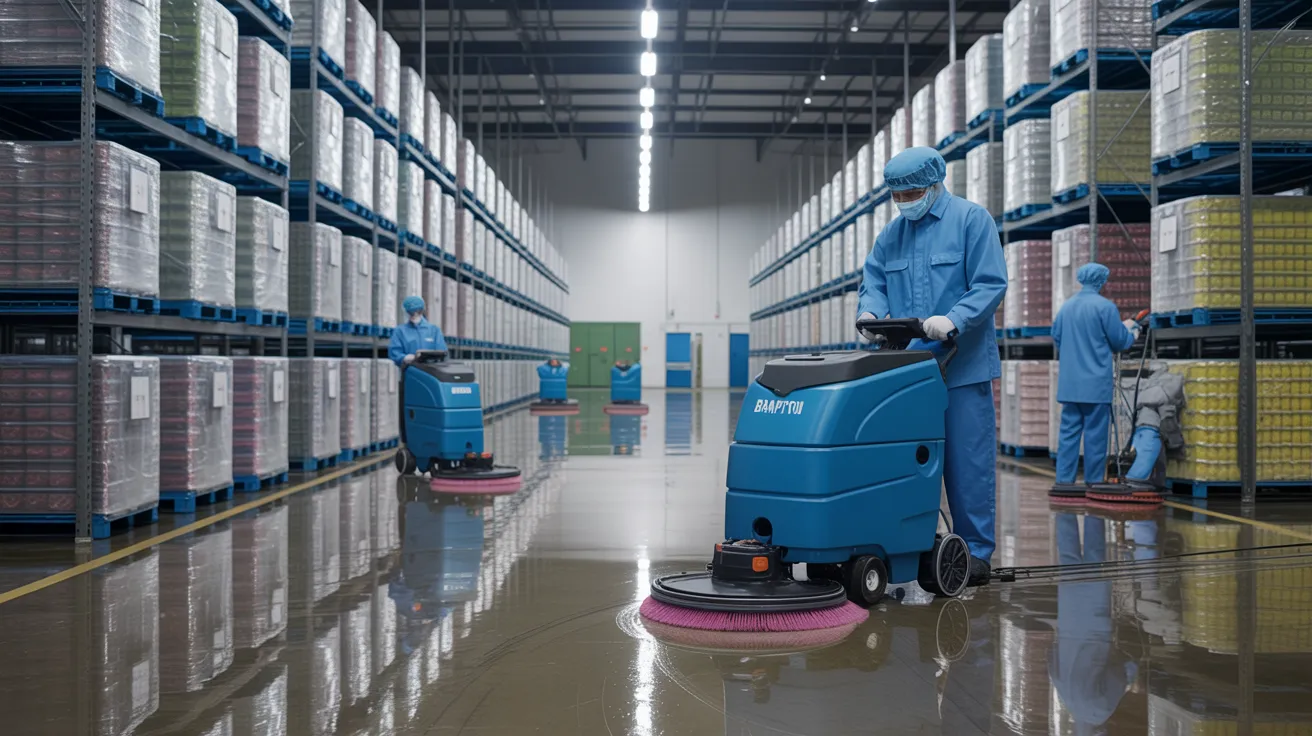
Floor care that is recorded should also be anticipated. Technicians scrub and extract buildup from grout, tile, and vinyl flooring, then apply appropriate drying controls so you can limit falls and maintain code-compliant conditions. They also address entryways where moisture and debris migrate indoors.
Restroom sanitation involves disinfecting surfaces, fittings, separators, dispensers, and containers, replenishing amenities and managing odor. They also service restaurant moprooms, where chemical storage, sink hygiene, and drainage conditions can affect sanitation compliance and staff safety daily.
The Importance of Food Safety Cleaning in Brampton
To adhere to health code requirements and succeed in audits, Brampton establishments must follow appropriate cleaning protocols. You also reduce bacterial spread through proper cleaning of food-preparation surfaces, appliances, and frequently-touched items. Most importantly, you help protect community wellness by reducing the chance of food poisoning in your establishment.
Sanitary Standards Adherence
Food operations in Brampton face stringent health requirements, making food safety cleaning essential to meeting health code requirements, defending patrons, and preventing enforcement action. You must maintain sanitary food-contact surfaces, recorded sanitation plans, safe chemical management, and verifiable staff procedures that correspond to municipal and provincial inspection expectations.
Should your cleaning standards decline, you face infractions, compliance orders, reputational harm, and potential service disruption during subsequent audits or compliance actions.
Cross-Contamination Prevention
Meeting health code standards also depends on your capacity to stop cross-contamination during daily food handling and cleaning. You must keep raw items away from prepared dishes, clean work areas after each use, and store chemicals away from food-contact items. Clear procedures reduce transfer risks and ensure ongoing adherence to health checks.
Implementing allergen segregation helps ensure major allergens don't touch communal work zones, bins, or devices. Utilize separate boards, color-labeled items, and strict utensil labeling so staff don't mix items during preparation or service. Require handwashing after handling fresh proteins, aquatic items, egg products, or allergen materials. Replace wiping cloths regularly, and validate disinfectant levels using test strips. When your team learns these guidelines every shift, you establish a more hygienic, safer workplace that satisfies Brampton's food safety needs daily.
Community Health Safety
When food safety cleaning weaken, you don't only risk a failed inspection—you expand the chance of foodborne illness striking customers, staff, and the larger Brampton community. You also undermine your responsibility in protecting public health, especially in busy food facilities where pathogens travel quickly through surfaces, equipment, and touchpoints.
You need cleaning protocols that remove soils, disinfect properly, and confirm effectiveness. That means following contact times, using approved disinfectants, recording cleaning times, and training staff to meet health-unit expectations. These measures facilitate pathogen reduction by lowering microbial loads before they reach food or hands. In Brampton, strong sanitation shields at-risk groups, prevents disease spread, and enables you to show due diligence. When you maintain proper standards, you don't just meet regulations—you substantially decrease danger and support safer food service citywide.
How Does Cleaning Support Food Safety Compliance?
Maintaining strict sanitation practices ensures food safety compliance by minimizing contamination hazards, preventing pathogen multiplication, and keeping your facility aligned with sanitation requirements under HACCP-based programs and public health regulations. You ensure that food-handling surfaces appear visibly clean and microbiologically controlled, supporting documented preventive controls and inspection readiness.
Strategic cleaning practices also strengthen allergen prevention by eliminating residues that can trigger undeclared allergen exposure.
How Ought You Schedule Commercial Cleaning Services?
everyday routine cleaning
risk factors, production volumes, or regulatory standards change
How Do You Choose Brampton Cleaning Experts?
Start by screening providers against food-safe sanitation requirements, not price alone. You should verify that each company understands CFIA, public health, and HACCP-aligned expectations relevant to your facility. Ask for proof of insurance, WHMIS compliance, documented staff training, and supervision practices. Review whether technicians understand contamination prevention, chemical handling, and traceable sanitation records.
You should further examine operational reliability and accountability. Request references from food facilities in Brampton, then review response times, corrective-action procedures, and communication protocols. Validate the company supports supplier audits and can present inspection-ready documentation to regulators or external parties. Confirm equipment receives maintenance, colour-coded tools are used appropriately, and facility-specific risks are identified. A experienced service ensures regulatory compliance, product integrity, and your brand reputation.
What aspects should a sanitation plan contain?
Create a written plan that defines every sanitation task, standard, and responsibility before production starts. You should list cleaning schedules, authorized products, mixing ratios, exposure periods, equipment, and testing procedures for each area, section, and machine. associated article Don't forget to add pre-operational inspections, corrective actions, and employee training requirements.
Your plan should also focus on contamination prevention controls, waste handling procedures, pest management measures, and written schedules for restrooms, drains, floors, and food-contact areas. Describe how you'll separate raw and ready-to-eat processes, support ingredient tracking, and ensure accurate allergen labeling through validated cleaning between product changes. You should set accountability, maintain signed records, and review results against regulatory standards, HACCP controls, and customer requirements. When gaps appear, modify procedures immediately and retrain staff.
Frequently Posed Questions about the Plan
Will sanitation providers handle nighttime hours at Brampton facilities?
Yes, you can arrange sanitation coverage to support nighttime operations in Brampton facilities. You'll arrange nighttime cleaning around production windows, access controls, and staffing requirements. Providers typically map nightshift logistics to reduce disruption, maintain compliance, and document completed tasks. You should verify arrival timeframes, supervision, lockout procedures, and waste handling before service begins.
Do sanitation professionals offer hazard containment solutions?
Yes, you can expect Brampton sanitation professionals who provide hazard containment solutions. They handle contamination, evaluate dangers, isolate affected areas, and begin swift cleanup to minimize risk and prevent business interruption. You should verify arrival timeframes, training certifications, safety procedures, and waste management. If your facility must comply with industry standards, choose a provider that documents incidents, follows compliant standards, and supports audit readiness.
Will eco-friendly disinfectants protect safely food-contact surfaces?
In essence, green disinfectants function safely for food-handling equipment provided you select solutions certified for food use that satisfy regulatory compliant. Confirm exposure duration, dilution rates, and rinsing needs ahead of deployment. Plant based formulas reduce chemical burden, although you require evidence of effectiveness against target microorganisms. To keep residue-free areas, stick to exact manufacturer guidelines and confirm the cleaning agent meets food sanitation requirements.
Can cleaning plans flex with seasonal shifts?
Certainly, sanitation programs accommodate seasonal production changes successfully. Revise timing, labor allocation, disinfectants, and verification steps to align with seasonal patterns while preserving compliance standards. Minimize production downtime by organizing sanitization during line changes, peak seasons, and operational patterns. Also revise standard operating procedures, training, and facility monitoring to account transient threats, emerging allergens, or increased soil loads. Periodic assessments preserve your strategy functional.
Do commercial cleaners train staff on hygiene standards?
Absolutely, commercial cleaners frequently provide staff training on hygiene standards. Your staff gets instruction on proper chemical use, dwell times, cross-contamination prevention, machine takedown, and documentation. They generally match instruction with HACCP, GMP, and CFIA or regional health authority requirements. Many conduct health inspections to ensure adherence, pinpoint weaknesses, and strengthen corrective measures. This helps you maintain consistent procedures, pass inspections, and lower contamination dangers routinely.
Closing Remarks
When you work with Brampton commercial cleaning and food safety specialists, you don't just tidy up—you maintain your facility inspection-ready and your protocols above board. From processing areas to kitchen spaces, every clean surface and maintained area minimizes unwelcome guests and avoid expensive problems. By scheduling service at the right intervals and adhering to a detailed cleaning schedule, you safeguard staff, patrons, and your brand image. In a tightly regulated environment, sanitary conditions aren't optional—they're fundamental to proper operations.